How a button changes the character of a garment
Explore material, shape and colour to select buttons that complement a garment and give it character.
A button may be small, yet it often sits where a garment draws the eye. Buttons along a shirt placket, coat front or cuff help establish its visual rhythm. Begin with the fabric: look at its weight, texture and sheen before choosing a button. The aim is to support the design language rather than select an attractive object in isolation.
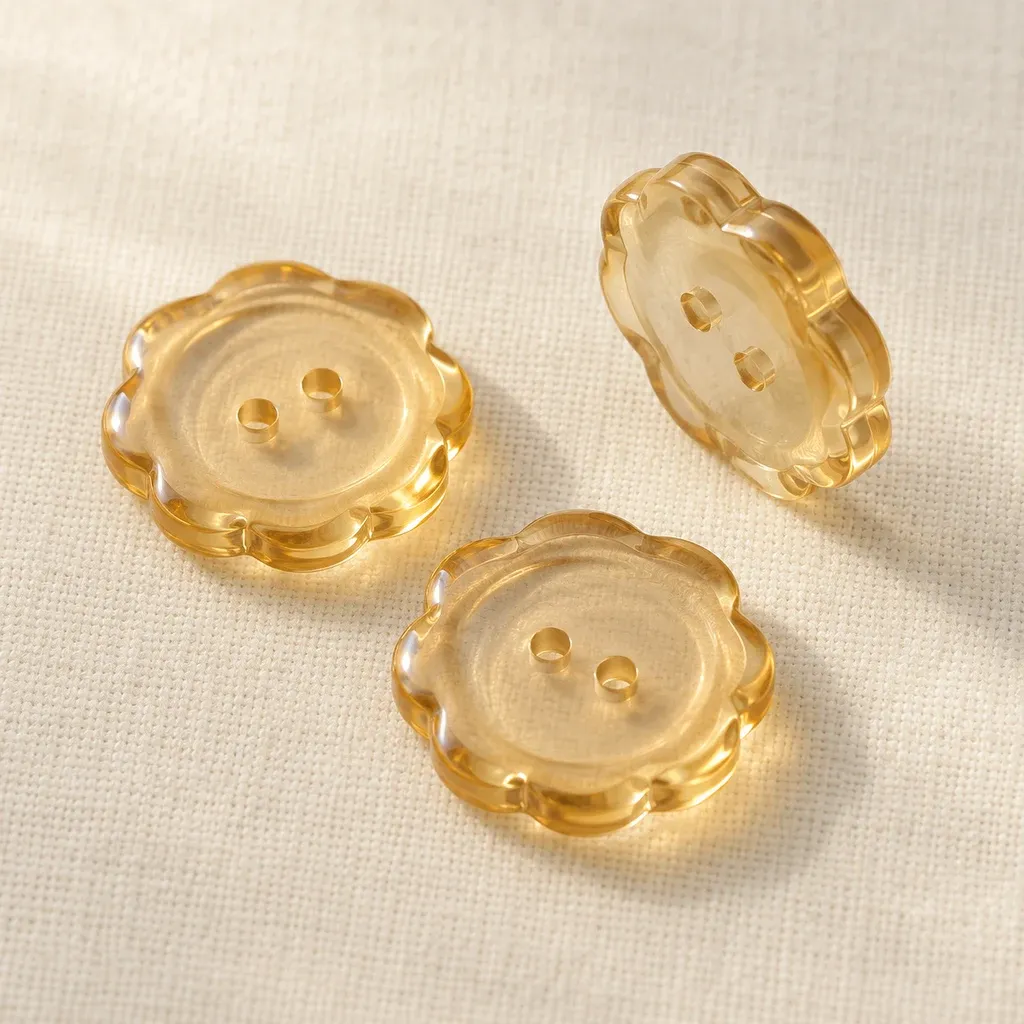
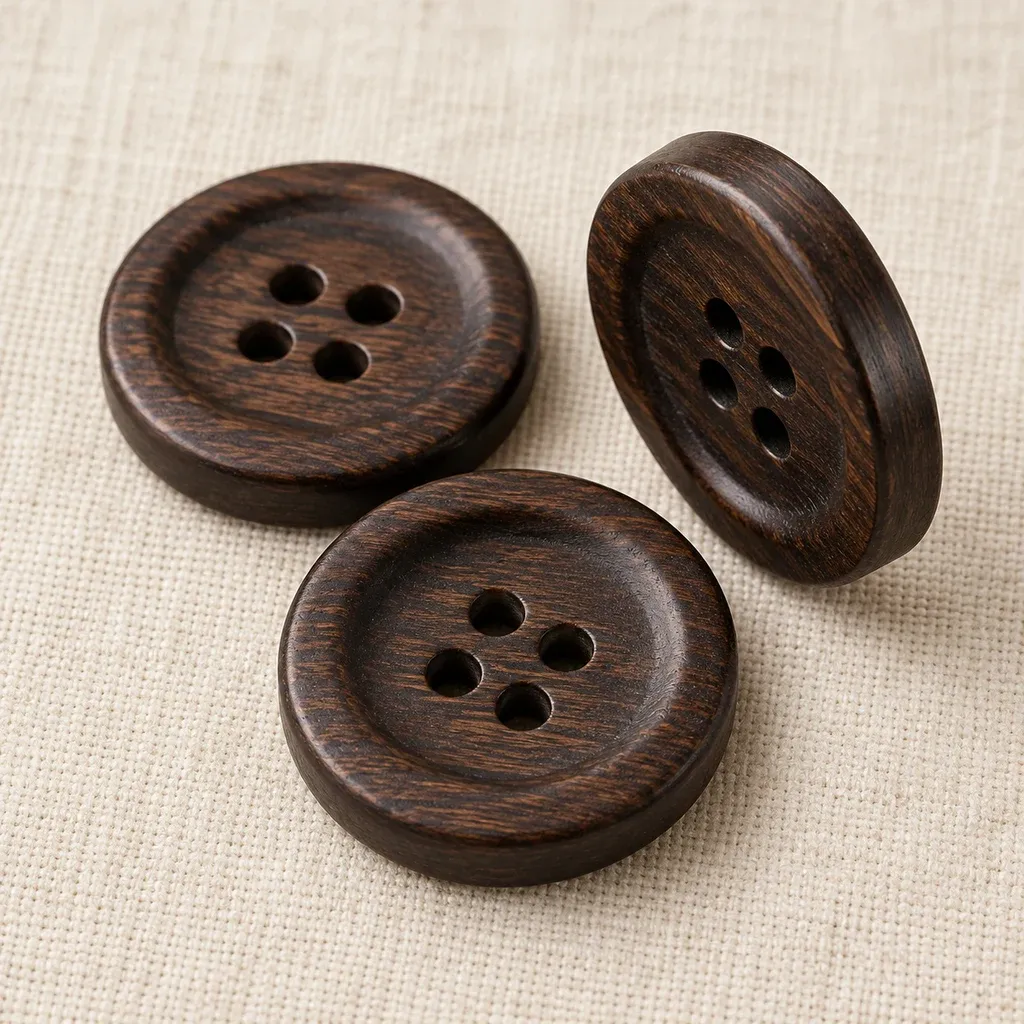
Natural wood grain introduces quiet variation, while a metal surface can suggest a sharper outline. Pearlescent and transparent finishes often create a lighter impression. A close colour match keeps the fastening discreet; a considered contrast highlights its position. Place physical samples of several diameters on the intended fabric and compare their proportions under the same light.
At the sample garment stage, inspect the edges and hole positions and try the fastening in use. Observe the button alongside the actual buttonhole, sewing thread and fabric. This combined view can reveal an awkward proportion or uncomfortable movement that was not obvious on a loose sample. Any performance needed during wear or laundering should be checked on the real garment.
Keep the approved style, colour and size together with a reference sample so later discussions have a clear starting point. A well-chosen button does not need to dominate the design. Its contribution is to make the garment’s line, tactile quality and everyday use feel coherent. Careful selection at this small scale can make the whole piece feel more considered.