From selection to approval: clearer trims communication
Connect samples, intended positions and approval records to make design and purchasing discussions more specific.
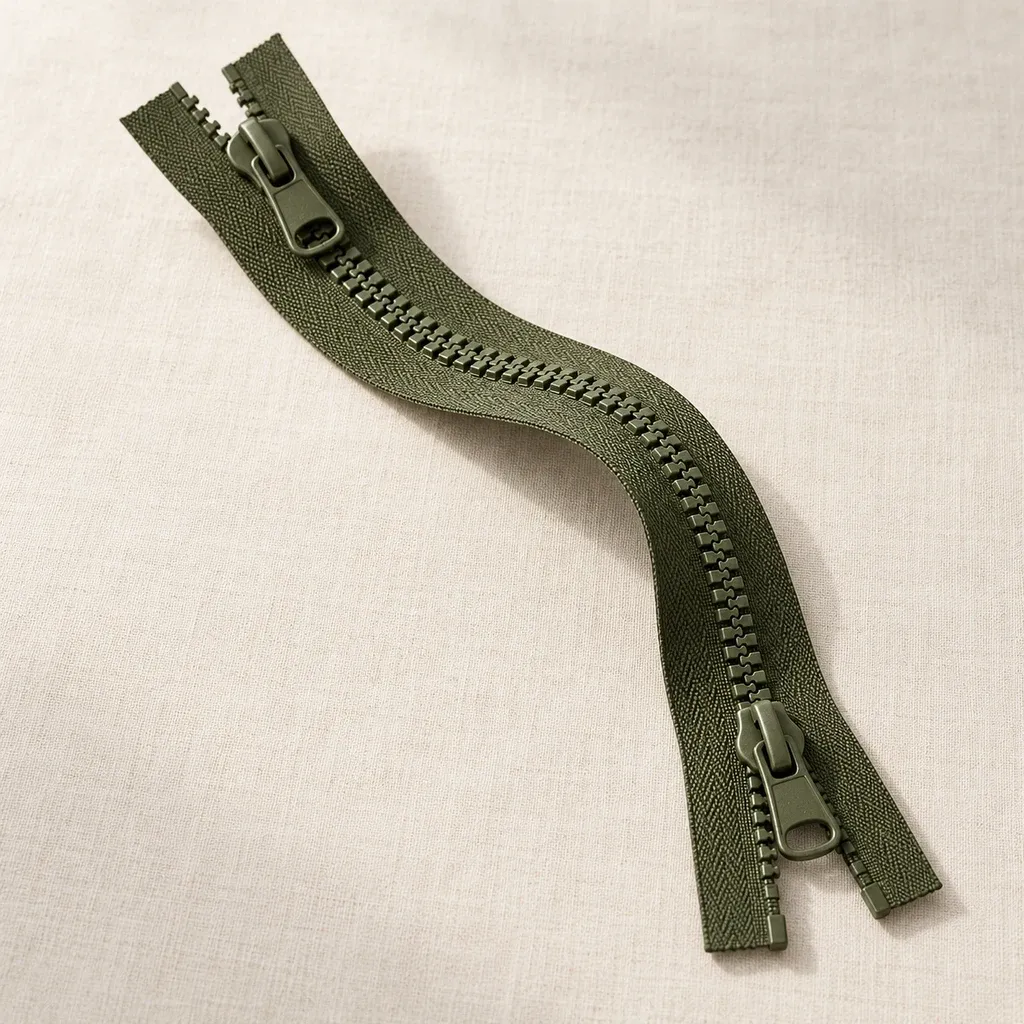
Selecting trims often involves design, purchasing and sewing teams. Each notices different details: design considers visual coordination, purchasing needs a clear reference, and sewing focuses on practical handling. Bringing these observations into one record reduces repeated explanations and makes unresolved questions easier to identify. A useful record connects the component to the garment instead of describing an isolated item.
For an initial discussion, provide a fabric swatch, intended position, preferred colour and approximate size. Explain which conditions are fixed and which can still change. When comparing samples, give each a reference number and record why it was selected or rejected. This avoids trying to recover a previous choice from a partial photograph or an informal description.
At the sample garment stage, install the component in its actual position and review proportion, feel and fastening or joining behaviour. Include relevant use and laundering requirements in the checks. If an issue appears, describe its precise location and what happens there. Specific feedback gives the supplier a better basis for adjustment than a broad statement that a sample is unsuitable.
Keep the final physical reference with its approval record and make sure the people involved use the same version. Before a repeat purchase, check the style, colour and dimensions again. The purpose of sample approval is not to accumulate paperwork. It is to make choices understandable and traceable, giving the next conversation an agreed reference instead of requiring everyone to start again.